

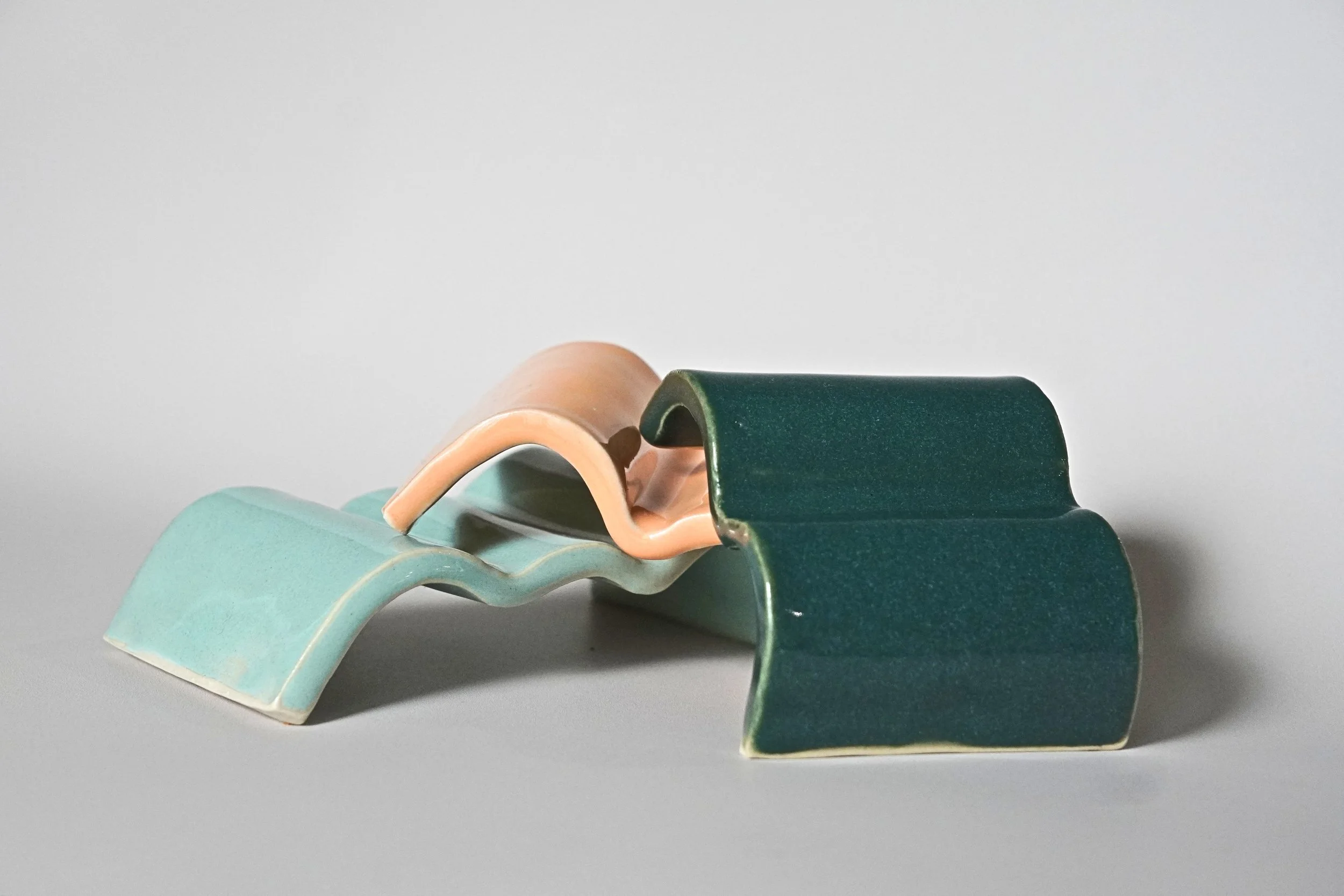
Designed by a pelvic health physiotherapist for better hygiene.
Designed for hygienic drying of vaginal pessaries, vaginal dilators, vibrators, menstrual discs and cups etc.
Reduces the risk of bacteria and mould.
Unlike silicone drying racks that can collect mould, these have a non-porous external glass layer and will last forever.
Pre-Order
Allow 1-2 weeks for pre-ordered items.
The clay base is premade and ready to be glazed and fired when the order is made.
Glazing is the process of adding the coloured exterior on top of the clay.
This means that there is less waste while I test out what colours are popular.
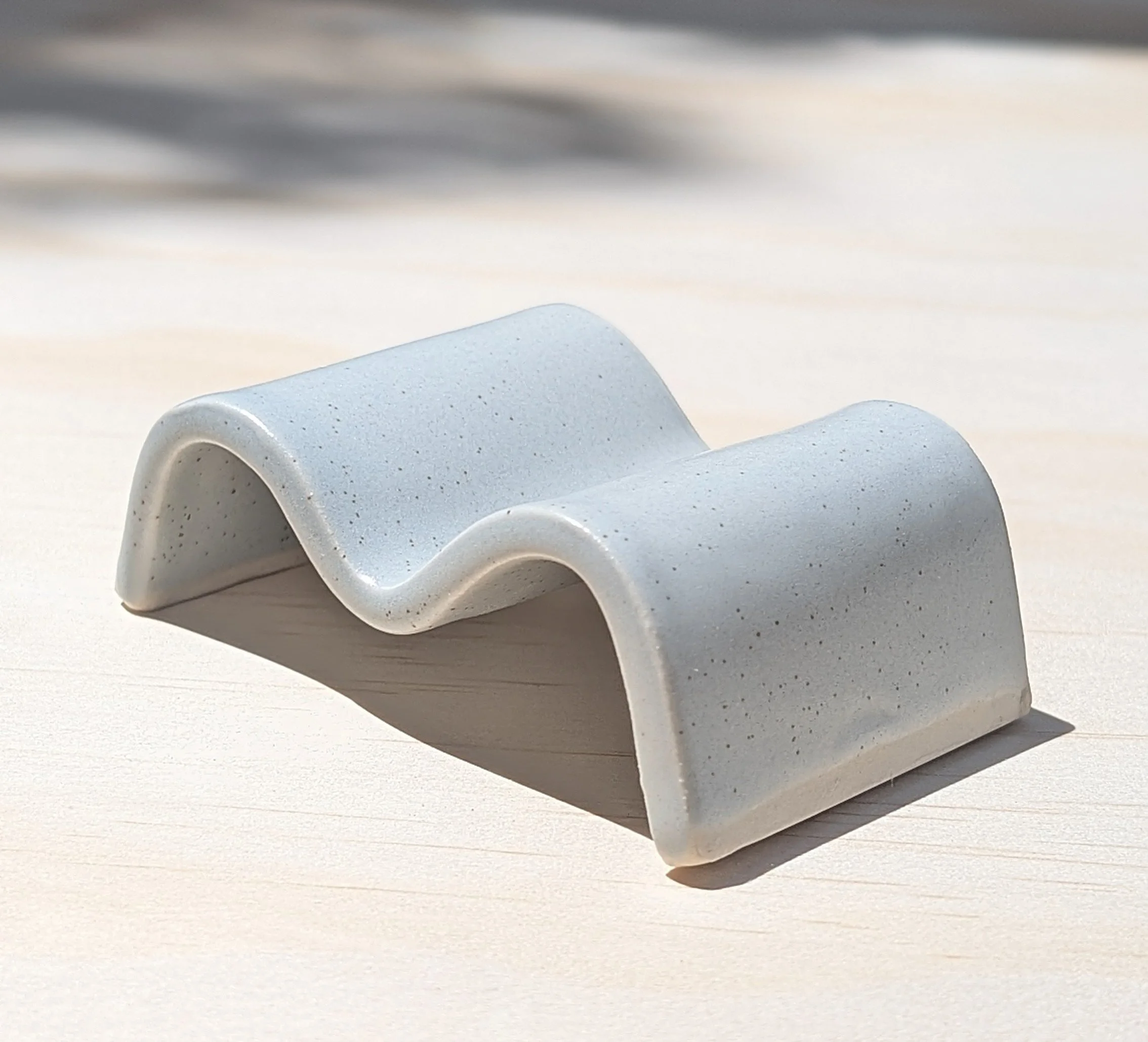
This Item is preordered - allow 1-2 weeks for delivery!
Handmade from durable stoneware clay and kiln-fired, these drying racks are thoughtfully designed by a pelvic health physiotherapist to assist in hygeinic drying of:
Menstrual cups and discs
Prolapse pessaries
Dilators
Vibrators, and other personal care items.
Each piece is glazed with a smooth glass finish that creates a non-porous surface, helping to reduce bacterial buildup and making cleaning simple. The shape and spacing allow for effective air circulation so items dry fully between uses.
Key features:
Handmade with stoneware clay and fired to 1220 degrees Celcius in a kiln.
Glass surface creates a non-porous, easy-to-clean surface
Waterproof to prevent bacteria, moisture and mould.
Compact, stable design for everyday bathroom use
Care instructions:
Dishwasher safe. Otherwise hand wash with warm soapy water.
Avoid abrasive scrubbing
Size:
9cm L x 6cm W, 3.5 cm H (± 0.5 cm variations due to the nature of being handmade)
Other uses:
Soap dish
Makeup beauty blenders/sponges dry rack
Earrings/rings dish
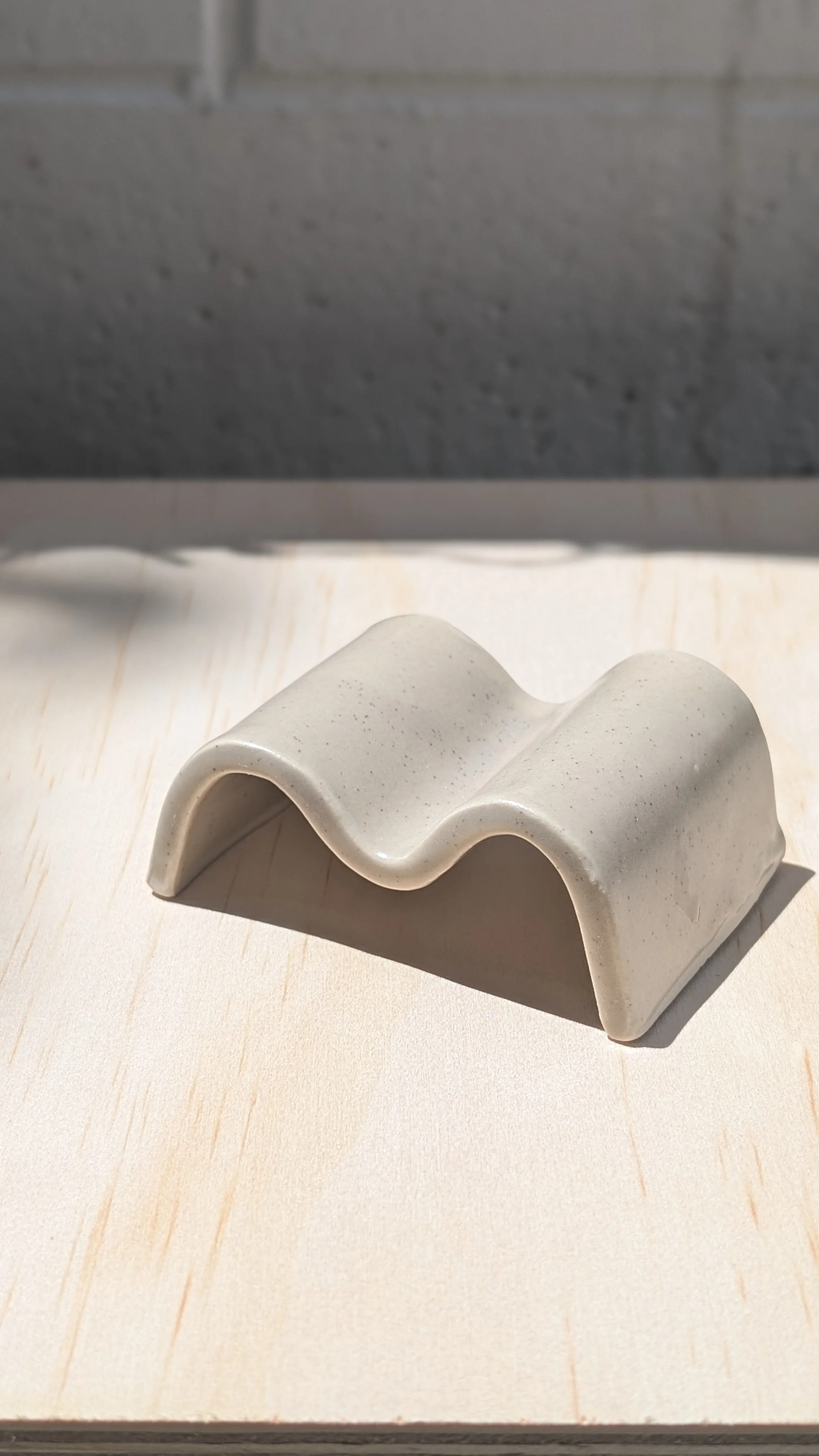
This Item is preordered - allow 1-2 weeks for delivery!
Handmade from durable stoneware clay and kiln-fired, these drying racks are thoughtfully designed by a pelvic health physiotherapist to assist in hygeinic drying of:
Menstrual cups and discs
Prolapse pessaries
Dilators
Vibrators, and other personal care items.
Each piece is glazed with a smooth glass finish that creates a non-porous surface, helping to reduce bacterial buildup and making cleaning simple. The shape and spacing allow for effective air circulation so items dry fully between uses.
Key features:
Handmade with stoneware clay and fired to 1220 degrees Celcius in a kiln.
Glass surface creates a non-porous, easy-to-clean surface
Waterproof to prevent bacteria, moisture and mould.
Compact, stable design for everyday bathroom use
Care instructions:
Dishwasher safe. Otherwise hand wash with warm soapy water.
Avoid abrasive scrubbing
Size:
9cm L x 6cm W, 3.5 cm H (± 0.5 cm variations due to the nature of being handmade)
Other uses:
Soap dish
Makeup beauty blenders/sponges dry rack
Earrings/rings dish
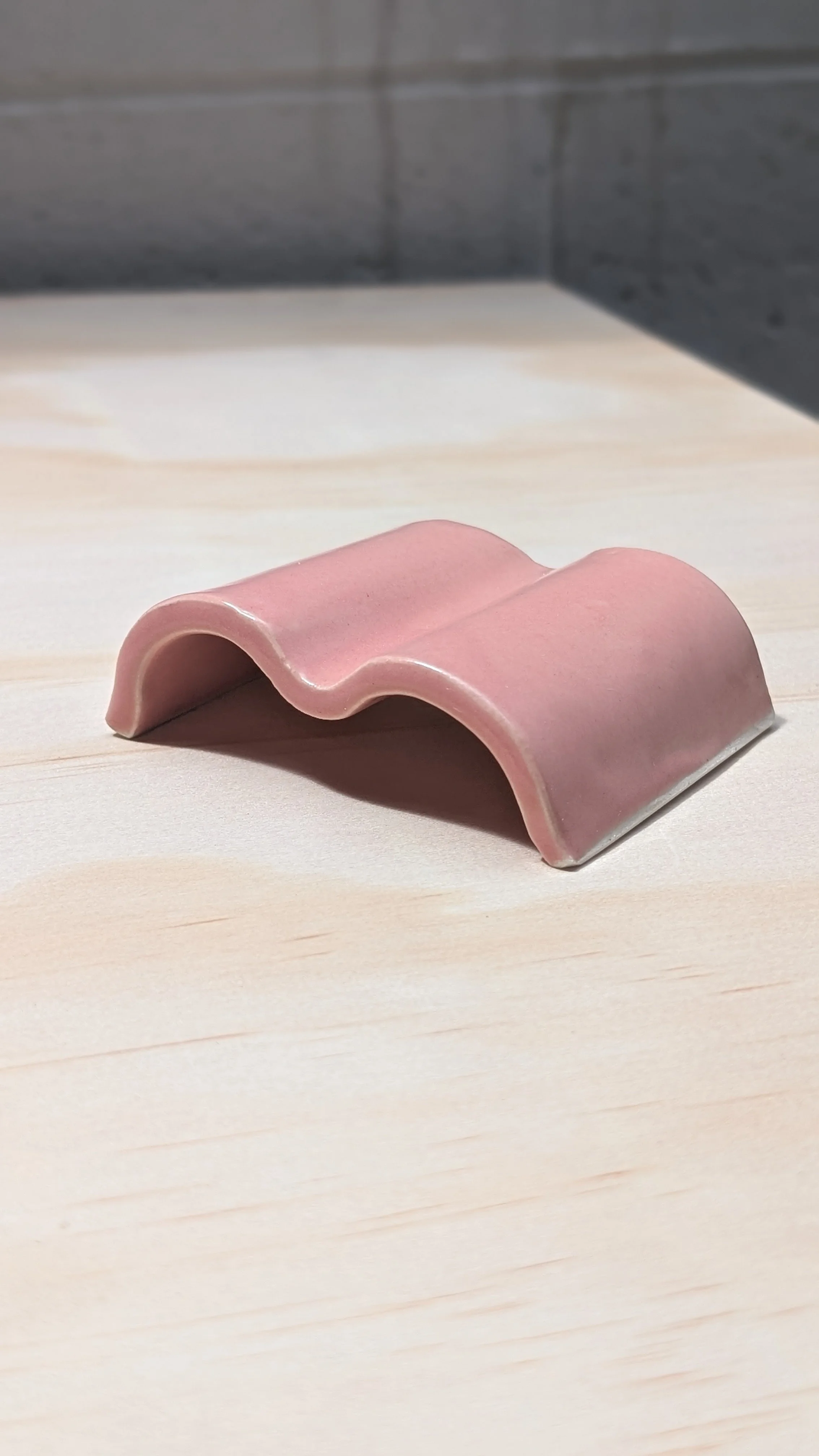
This Item is preordered - allow 1-2 weeks for delivery!
Handmade from durable stoneware clay and kiln-fired, these drying racks are thoughtfully designed by a pelvic health physiotherapist to assist in hygeinic drying of:
Menstrual cups and discs
Prolapse pessaries
Dilators
Vibrators, and other personal care items.
Each piece is glazed with a smooth glass finish that creates a non-porous surface, helping to reduce bacterial buildup and making cleaning simple. The shape and spacing allow for effective air circulation so items dry fully between uses.
Key features:
Handmade with stoneware clay and fired to 1220 degrees Celcius in a kiln.
Glass surface creates a non-porous, easy-to-clean surface
Waterproof to prevent bacteria, moisture and mould.
Compact, stable design for everyday bathroom use
Care instructions:
Dishwasher safe. Otherwise hand wash with warm soapy water.
Avoid abrasive scrubbing
Size:
9cm L x 6cm W, 3.5 cm H (± 0.5 cm variations due to the nature of being handmade)
Other uses:
Soap dish
Makeup beauty blenders/sponges dry rack
Earrings/rings dish
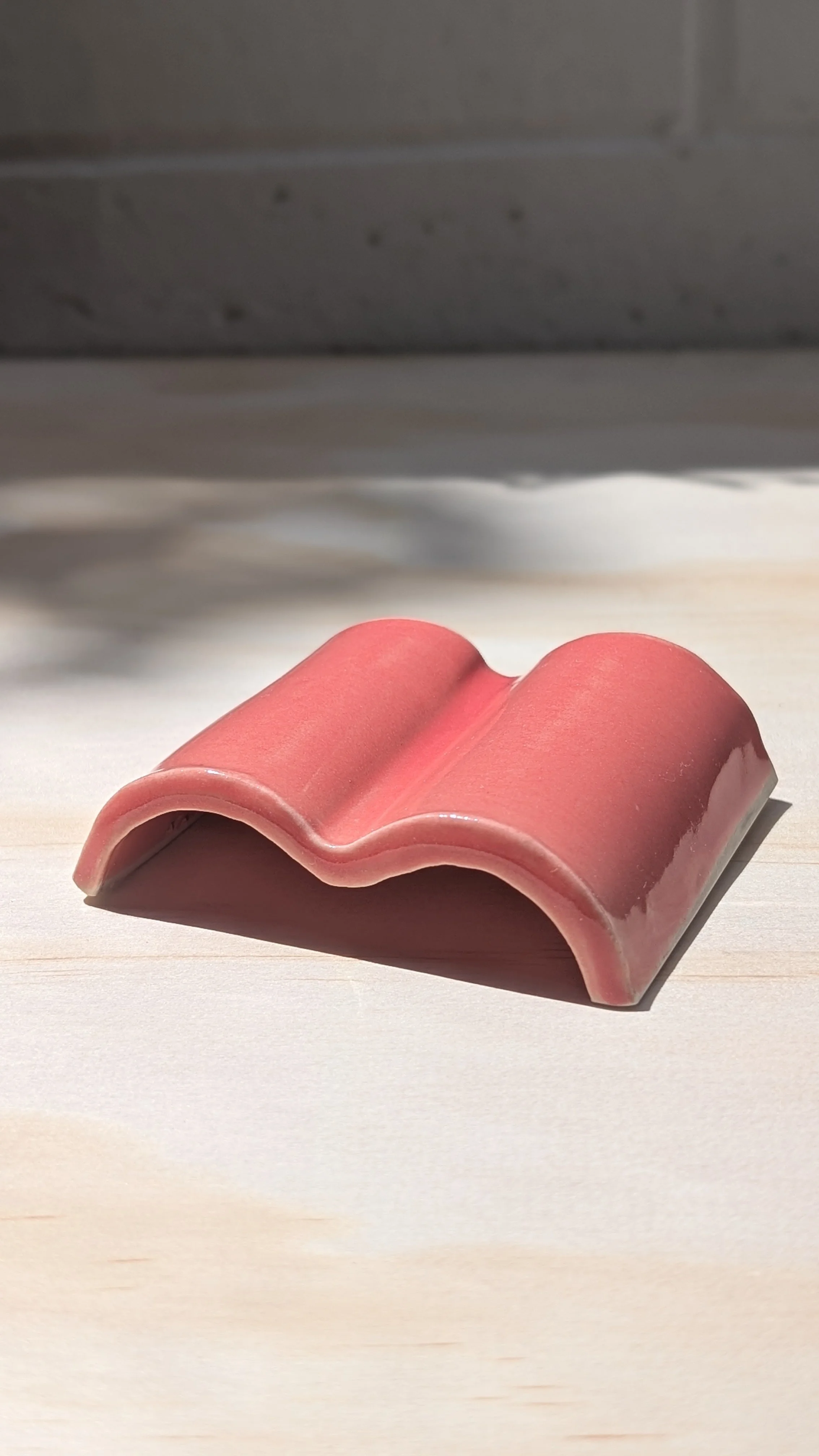
This Item is preordered - allow 1-2 weeks for delivery!
Handmade from durable stoneware clay and kiln-fired, these drying racks are thoughtfully designed by a pelvic health physiotherapist to assist in hygeinic drying of:
Menstrual cups and discs
Prolapse pessaries
Dilators
Vibrators, and other personal care items.
Each piece is glazed with a smooth glass finish that creates a non-porous surface, helping to reduce bacterial buildup and making cleaning simple. The shape and spacing allow for effective air circulation so items dry fully between uses.
Key features:
Handmade with stoneware clay and fired to 1220 degrees Celcius in a kiln.
Glass surface creates a non-porous, easy-to-clean surface
Waterproof to prevent bacteria, moisture and mould.
Compact, stable design for everyday bathroom use
Care instructions:
Dishwasher safe. Otherwise hand wash with warm soapy water.
Avoid abrasive scrubbing
Size:
9cm L x 6cm W, 3.5 cm H (± 0.5 cm variations due to the nature of being handmade)
Other uses:
Soap dish
Makeup beauty blenders/sponges dry rack
Earrings/rings dish
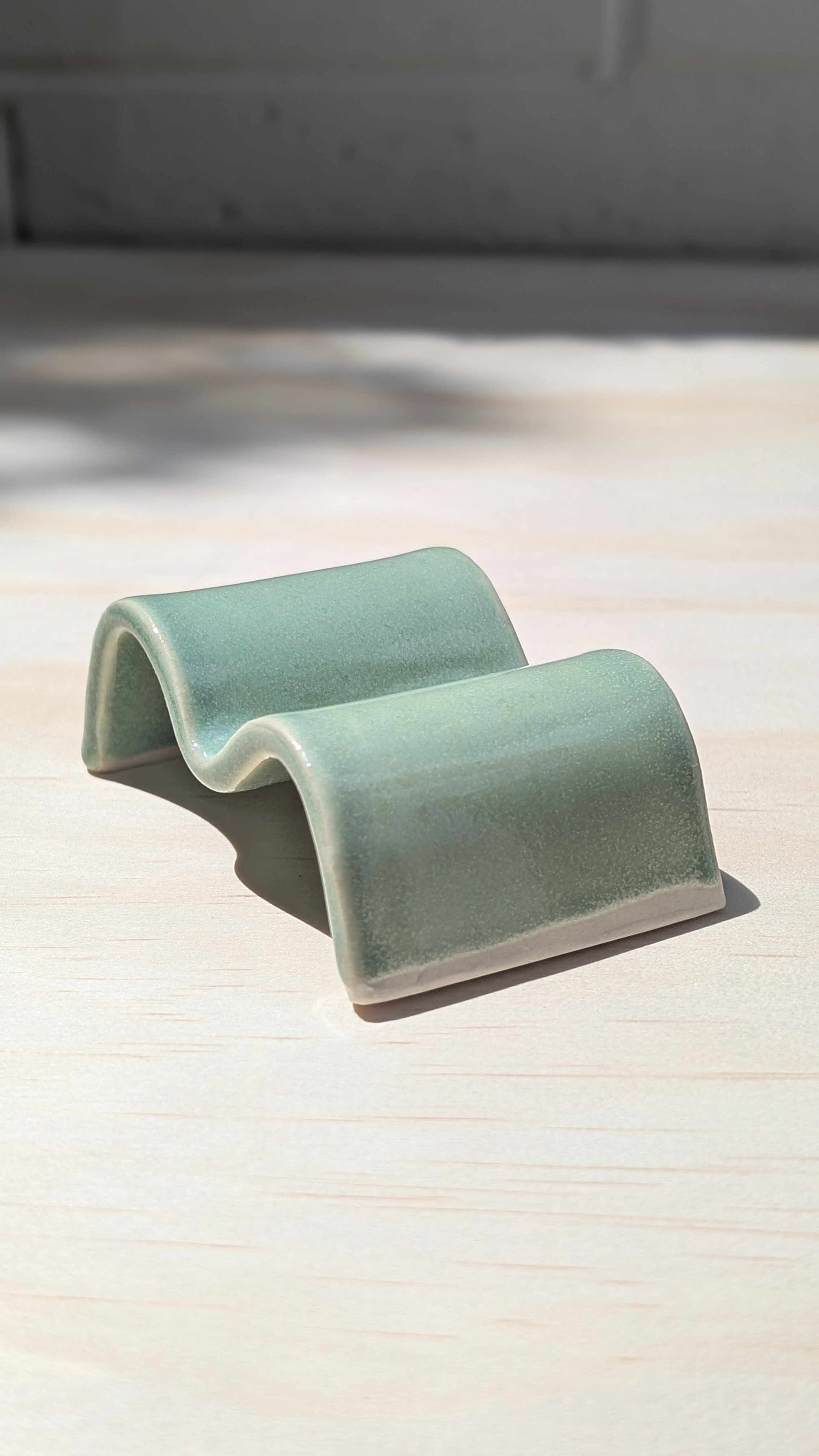
**This Item is preordered - allow 1-2 weeks for delivery!**
Handmade from durable stoneware clay and kiln-fired, these drying racks are thoughtfully designed by a pelvic health physiotherapist to assist in hygeinic drying of:
Menstrual cups and discs
Prolapse pessaries
Dilators
Vibrators, and other personal care items.
Each piece is glazed with a smooth glass finish that creates a non-porous surface, helping to reduce bacterial buildup and making cleaning simple. The shape and spacing allow for effective air circulation so items dry fully between uses.
Key features:
Handmade with stoneware clay and fired to 1220 degrees Celcius in a kiln.
Glass surface creates a non-porous, easy-to-clean surface
Waterproof to prevent bacteria, moisture and mould.
Compact, stable design for everyday bathroom use
Care instructions:
Dishwasher safe. Otherwise hand wash with warm soapy water.
Avoid abrasive scrubbing
Size:
9cm L x 6cm W, 3.5 cm H (± 0.5 cm variations due to the nature of being handmade)
Other uses:
Soap dish
Makeup beauty blenders/sponges dry rack
Earrings/rings dish
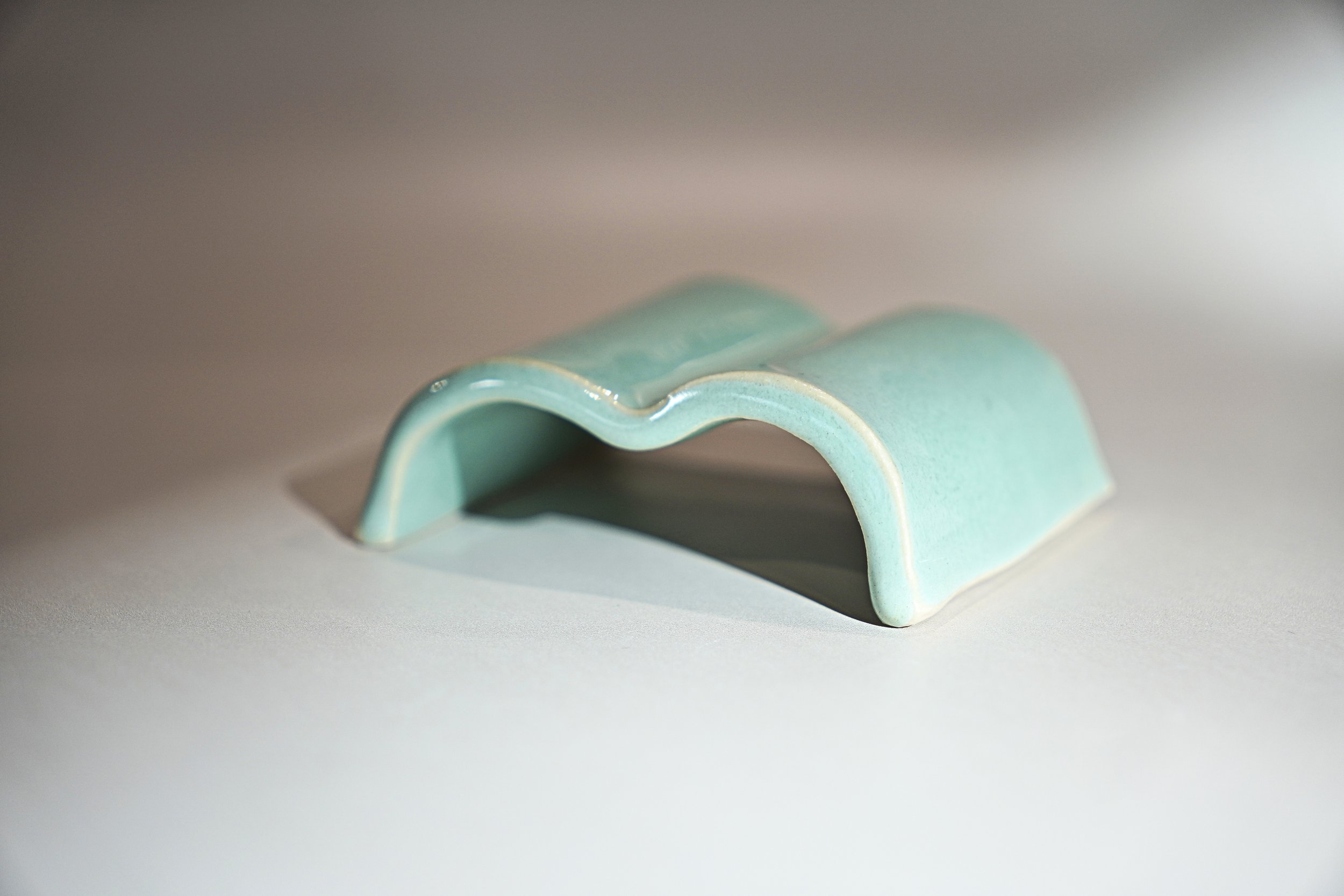
**This Item is preordered - allow 1-2 weeks for delivery!**
Handmade from durable stoneware clay and kiln-fired, these drying racks are thoughtfully designed by a pelvic health physiotherapist to assist in hygeinic drying of:
Menstrual cups and discs
Prolapse pessaries
Dilators
Vibrators, and other personal care items.
Each piece is glazed with a smooth glass finish that creates a non-porous surface, helping to reduce bacterial buildup and making cleaning simple. The shape and spacing allow for effective air circulation so items dry fully between uses.
Key features:
Handmade with stoneware clay and fired to 1220 degrees Celcius in a kiln.
Glass surface creates a non-porous, easy-to-clean surface
Waterproof to prevent bacteria, moisture and mould.
Compact, stable design for everyday bathroom use
Care instructions:
Dishwasher safe. Otherwise hand wash with warm soapy water.
Avoid abrasive scrubbing
Size:
9cm L x 6cm W, 3.5 cm H (± 0.5 cm variations due to the nature of being handmade)
Other uses:
Soap dish
Makeup beauty blenders/sponges dry rack
Earrings/rings dish
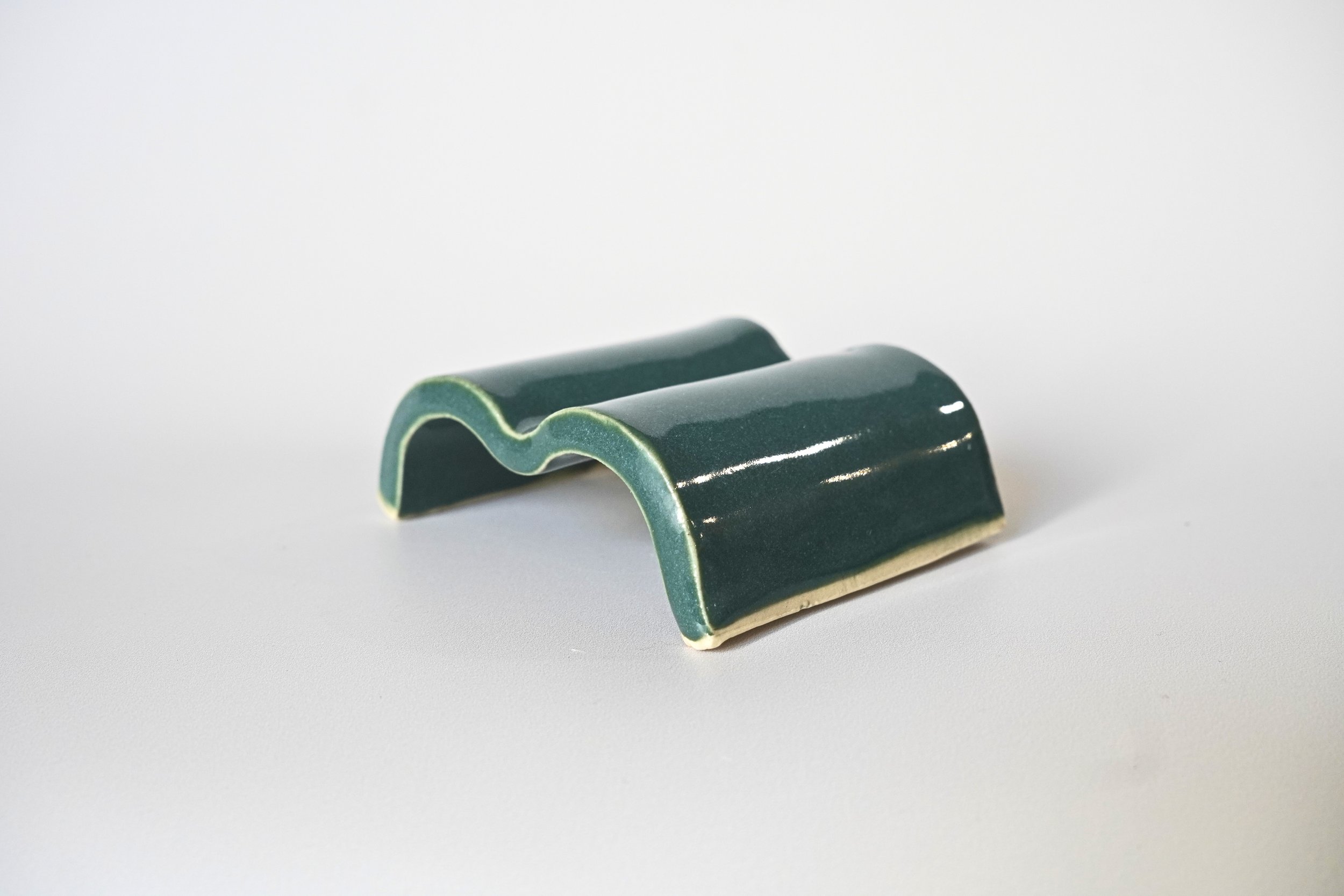
**This Item is preordered - allow 1-2 weeks for delivery!**
Handmade from durable stoneware clay and kiln-fired, these drying racks are thoughtfully designed by a pelvic health physiotherapist to assist in hygeinic drying of:
Menstrual cups and discs
Prolapse pessaries
Dilators
Vibrators, and other personal care items.
Each piece is glazed with a smooth glass finish that creates a non-porous surface, helping to reduce bacterial buildup and making cleaning simple. The shape and spacing allow for effective air circulation so items dry fully between uses.
Key features:
Handmade with stoneware clay and fired to 1220 degrees Celcius in a kiln.
Glass surface creates a non-porous, easy-to-clean surface
Waterproof to prevent bacteria, moisture and mould.
Compact, stable design for everyday bathroom use
Care instructions:
Dishwasher safe. Otherwise hand wash with warm soapy water.
Avoid abrasive scrubbing
Size:
9cm L x 6cm W, 3.5 cm H (± 0.5 cm variations due to the nature of being handmade)
Other uses:
Soap dish
Makeup beauty blenders/sponges dry rack
Earrings/rings dish
Seconds
Read description of why it is a second. Usually just the colour isn’t what I want to keep making or the shape isn’t perfect.
If you like it, grab a bargain!
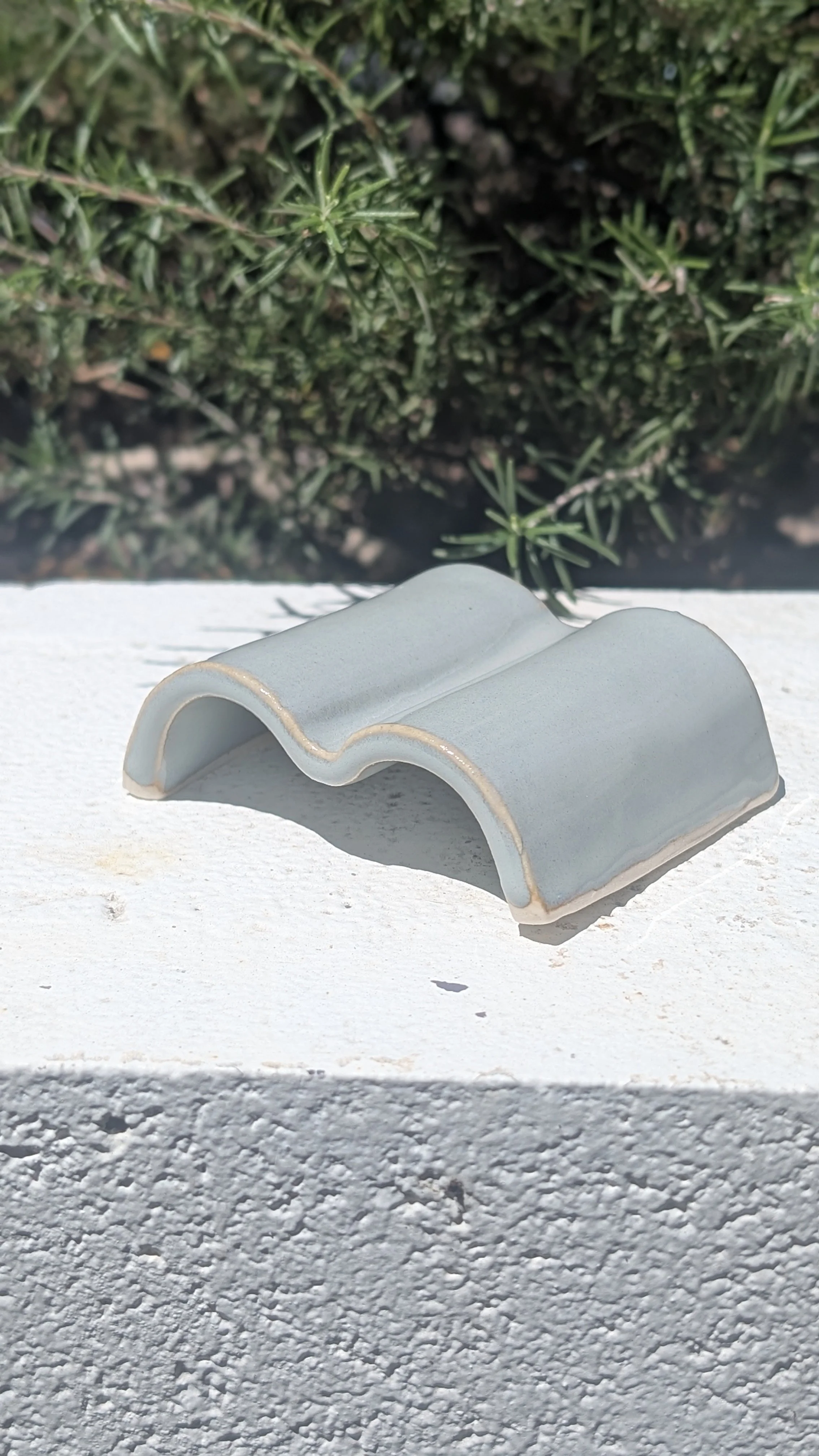
SECOND: nothing wrong with this, it was just a test and the colour came out different to expected. If you like this colour, grab a bargain!
Handmade from durable stoneware clay and kiln fired, these drying racks are thoughtfully designed by a pelvic health physiotherapist to assist in hygeinic drying of:
Menstrual cups and discs
Prolapse pessaries
Dilators
Vibrators, and other personal care items.
Each piece is glazed with a smooth glass finish that creates a non-porous surface, helping to reduce bacterial buildup and making cleaning simple. The shape and spacing allow for effective air circulation so items dry fully between uses.
Key features:
Handmade with stoneware clay and fired to 1220 degrees Celcius in a kiln.
Glass surface creates a non-porous, easy-to-clean surface
Waterproof to prevent bacteria, moisture and mould.
Compact, stable design for everyday bathroom use
Care instructions:
Dishwasher safe. Otherwise hand wash with warm soapy water.
Avoid abrasive scrubbing
Size:
9cm L x 6cm W, 3.5 cm H (± 0.5 cm variations due to the nature of being handmade)
Other uses:
Soap dish
Makeup beauty blenders/sponges dry rack
Earrings/rings dish
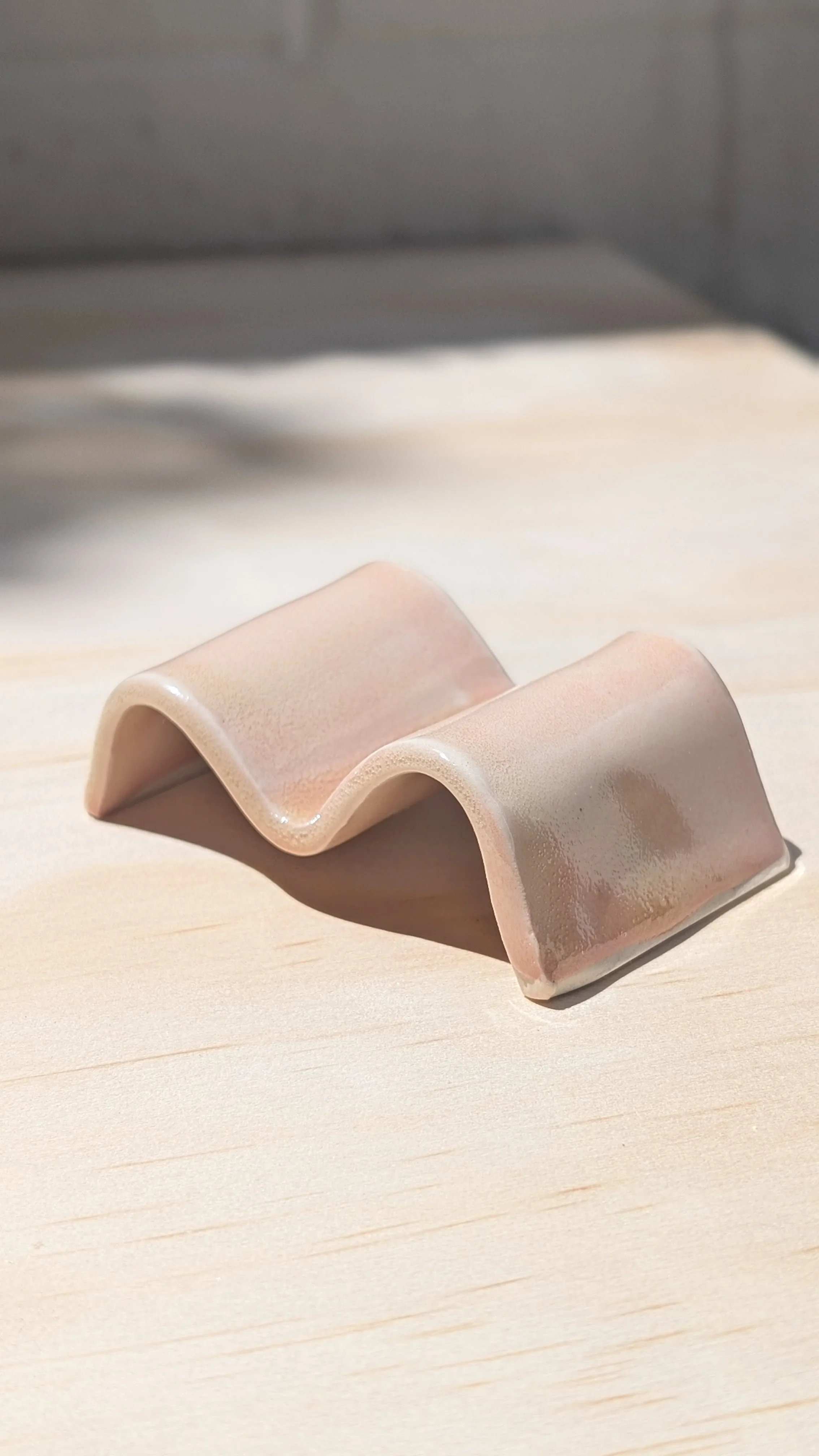
SECOND: nothing wrong with this, it was just a test and the glaze was slightly too thick which created some bubbles in the glaze! An interesting affect that I wasn’t trying to do. If you like this, grab a bargain!
Handmade from durable stoneware clay and kiln fired, these drying racks are thoughtfully designed by a pelvic health physiotherapist to assist in hygeinic drying of:
Menstrual cups and discs
Prolapse pessaries
Dilators
Vibrators, and other personal care items.
Each piece is glazed with a smooth glass finish that creates a non-porous surface, helping to reduce bacterial buildup and making cleaning simple. The shape and spacing allow for effective air circulation so items dry fully between uses.
Key features:
Handmade with stoneware clay and fired to 1220 degrees Celcius in a kiln.
Glass surface creates a non-porous, easy-to-clean surface
Waterproof to prevent bacteria, moisture and mould.
Compact, stable design for everyday bathroom use
Care instructions:
Dishwasher safe. Otherwise hand wash with warm soapy water.
Avoid abrasive scrubbing
Size:
9cm L x 6cm W, 3.5 cm H (± 0.5 cm variations due to the nature of being handmade)
Other uses:
Soap dish
Makeup beauty blenders/sponges dry rack
Earrings/rings dish
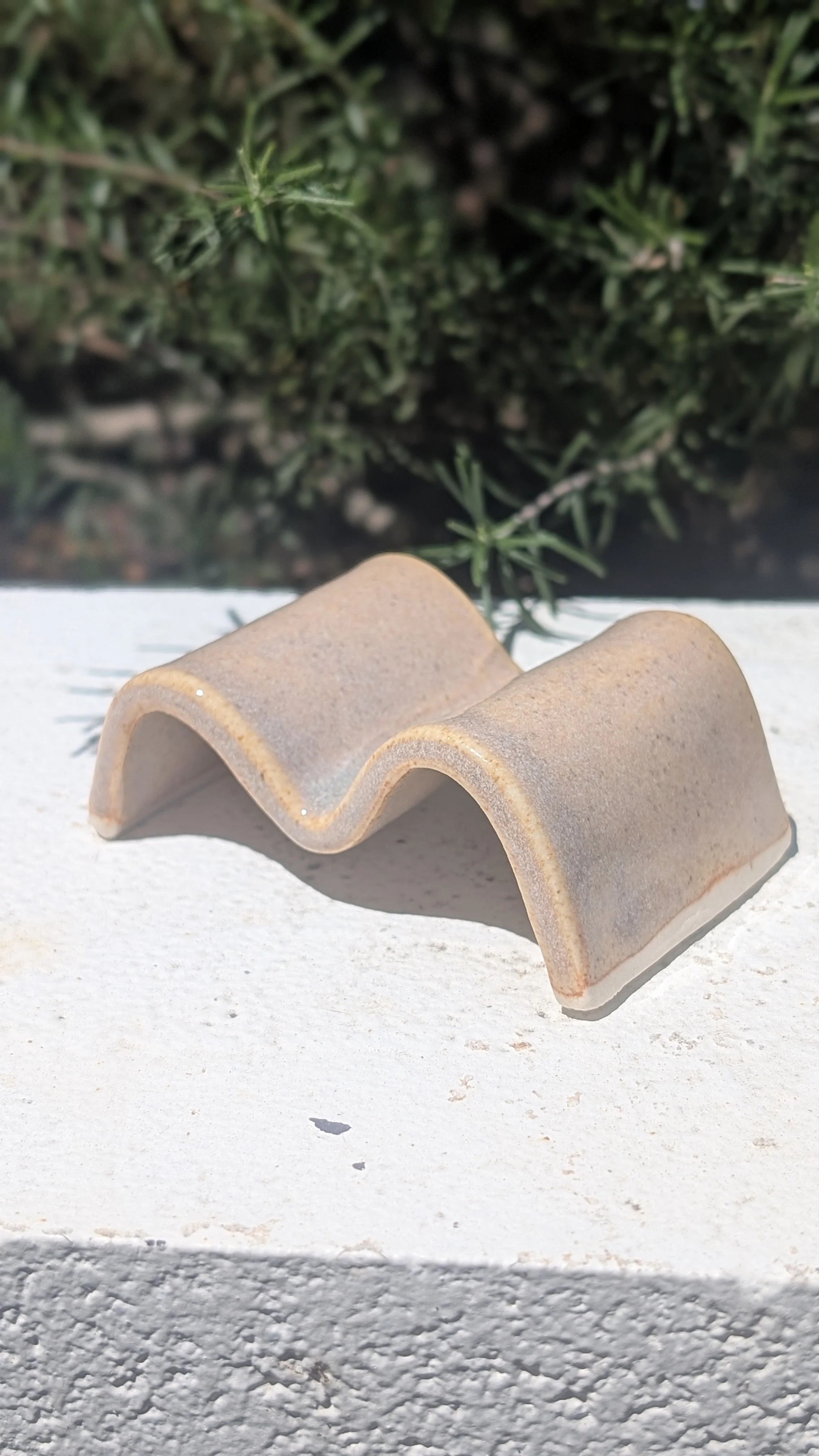
SECOND: nothing wrong with this, it was just a test and the colour came out different to expected. If you like this colour, grab a bargain!
Handmade from durable stoneware clay and kiln fired, these drying racks are thoughtfully designed by a pelvic health physiotherapist to assist in hygeinic drying of:
Menstrual cups and discs
Prolapse pessaries
Dilators
Vibrators, and other personal care items.
Each piece is glazed with a smooth glass finish that creates a non-porous surface, helping to reduce bacterial buildup and making cleaning simple. The shape and spacing allow for effective air circulation so items dry fully between uses.
Key features:
Handmade with stoneware clay and fired to 1220 degrees Celcius in a kiln.
Glass surface creates a non-porous, easy-to-clean surface
Waterproof to prevent bacteria, moisture and mould.
Compact, stable design for everyday bathroom use
Care instructions:
Dishwasher safe. Otherwise hand wash with warm soapy water.
Avoid abrasive scrubbing
Size:
9cm L x 6cm W, 3.5 cm H (± 0.5 cm variations due to the nature of being handmade)
Other uses:
Soap dish
Makeup beauty blenders/sponges dry rack
Earrings/rings dish
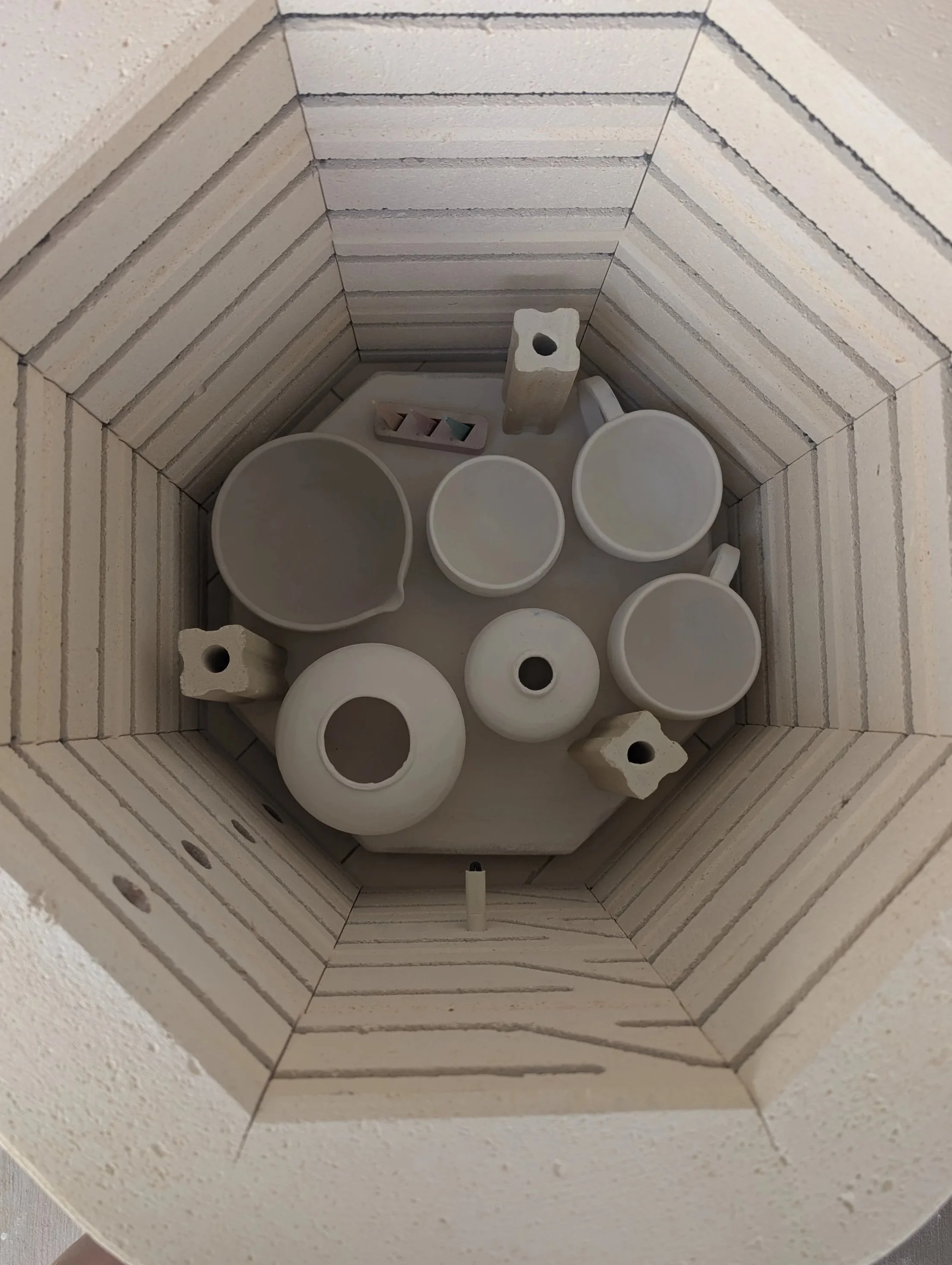
Once the clay is completely dry, it goes into a kiln for it’s first firing at nearly 1000°C for 13-15 hours.
This is then painted with glaze that turns into glass and fuses to the surface of the clay during it’s second firing at 1220°C for another 15 hours.
This is when it is no longer called clay, but called ceramic because of the chemical and physical changes it goes through in the kiln at this temperature into a highly durable and heatproof substance.
The glaze that turns to glass is what then makes it food safe/waterproof because it seals the porous surface and prevents bacteria growth.
THE PROCESS